

Over the past decade, the role of artist managers has undergone a profound transformation, becoming more crucial than ever before in navigating the complexities of the modern music industry. In comparison to the previous century, where their importance was evident but perhaps less pronounced, today’s artist managers play a multifaceted role that extends far beyond mere representation. Here’s why artist managers have become indispensable in the past 10 years: Navigating the Digital Landscape: With the advent of digital platforms and streaming services, the music industry has undergone a seismic shift in how music is consumed and distributed. Artist managers now play a pivotal role in helping their clients navigate this digital landscape, from optimizing streaming strategies to leveraging social media platforms for promotion and engagement. Their expertise in digital marketing and online branding has become essential for artists seeking to break through the noise and reach their audience effectively. Business and Negotiation Savvy: In an era where revenue streams in the music industry have diversified beyond traditional album sales, artist managers are tasked with negotiating complex deals across multiple platforms. Whether it’s securing partnerships with brands, negotiating licensing agreements for film and television placements, or managing merchandise sales, the business acumen of artist managers has become invaluable in maximizing their clients’ earning potential and ensuring sustainable careers in the industry. Mentorship and Career Development: Beyond the business side of things, artist managers also serve as mentors and career coaches for their clients, providing guidance and support in navigating the highs and lows of the music industry. They help artists make strategic career decisions, identify opportunities for growth and development, and provide emotional support during challenging times. In an industry known for its highs and lows, having a trusted confidant and advisor can make all the difference in an artist’s long-term success and well-being. Building and Nurturing Relationships: Building and maintaining relationships within the industry is crucial for an artist’s career growth, and artist managers excel in this aspect. They act as the primary point of contact between artists and record labels, agents, promoters, and other industry professionals, leveraging their networks to open doors and create opportunities for their clients. Whether it’s securing coveted opening slots on tours or collaborating with other artists and producers, artist managers are instrumental in fostering connections that propel their clients’ careers forward. Adaptability in an Ever-Changing Industry: The music industry is constantly evolving, with new technologies, trends, and business models emerging at a rapid pace. Artist managers must stay ahead of the curve, adapting to these changes and innovating new strategies to keep their clients relevant and successful. Whether it’s exploring alternative revenue streams like virtual concerts and NFTs or advocating for fair compensation in the streaming era, artist managers are at the forefront of shaping the future of the music industry. In conclusion, artist managers have become more important over the last 10 years due to the increasingly complex and dynamic nature of the music industry. Beyond their traditional roles as representatives, they now serve as digital strategists, business negotiators, career mentors, relationship builders, and industry innovators. As the music industry continues to evolve, the role of the artist manager will remain indispensable in helping artists navigate the ever-changing landscape and achieve long-term success.
Category Archives: Uncategorized
There’s only one way to learn how to be professional
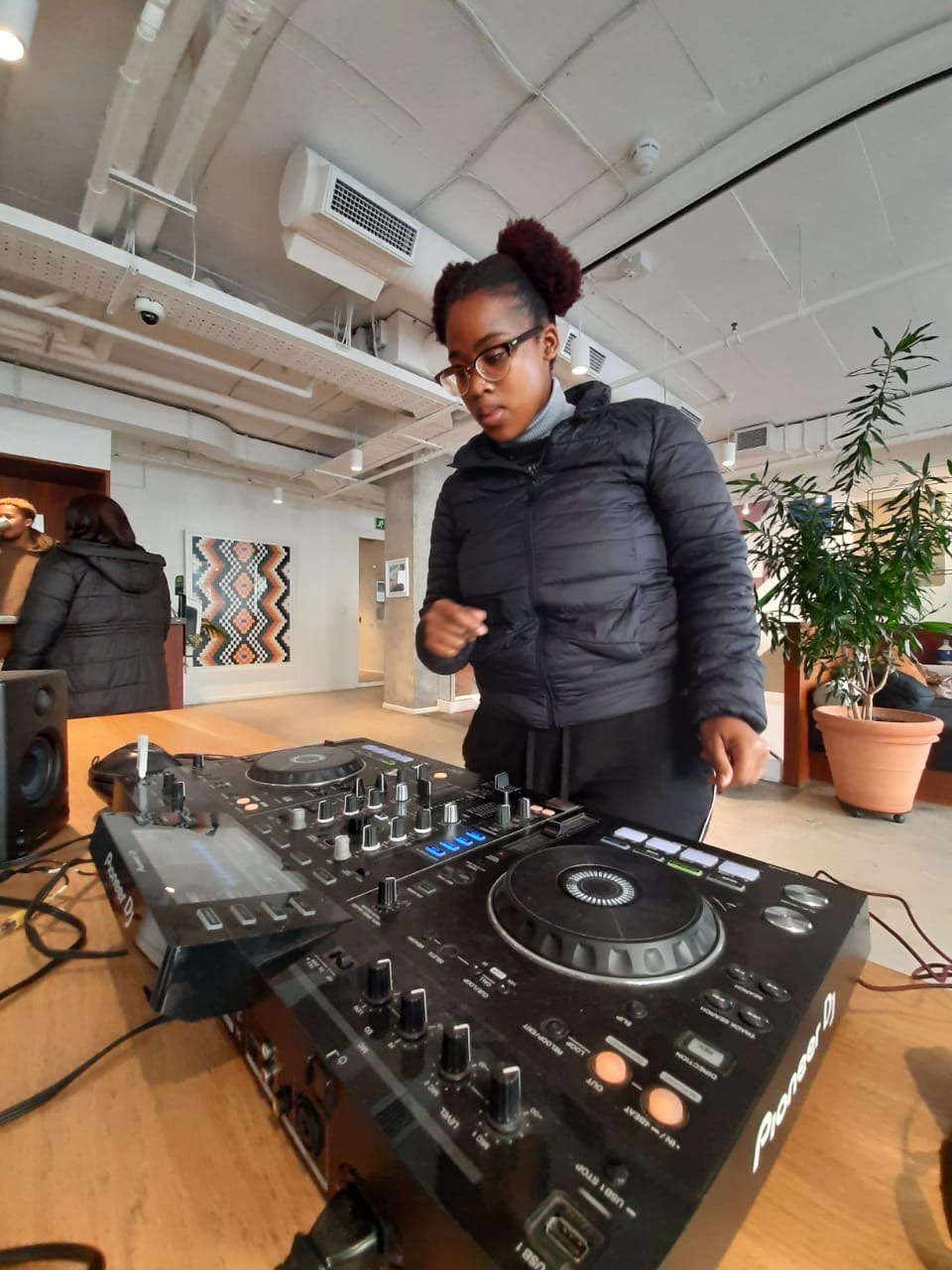
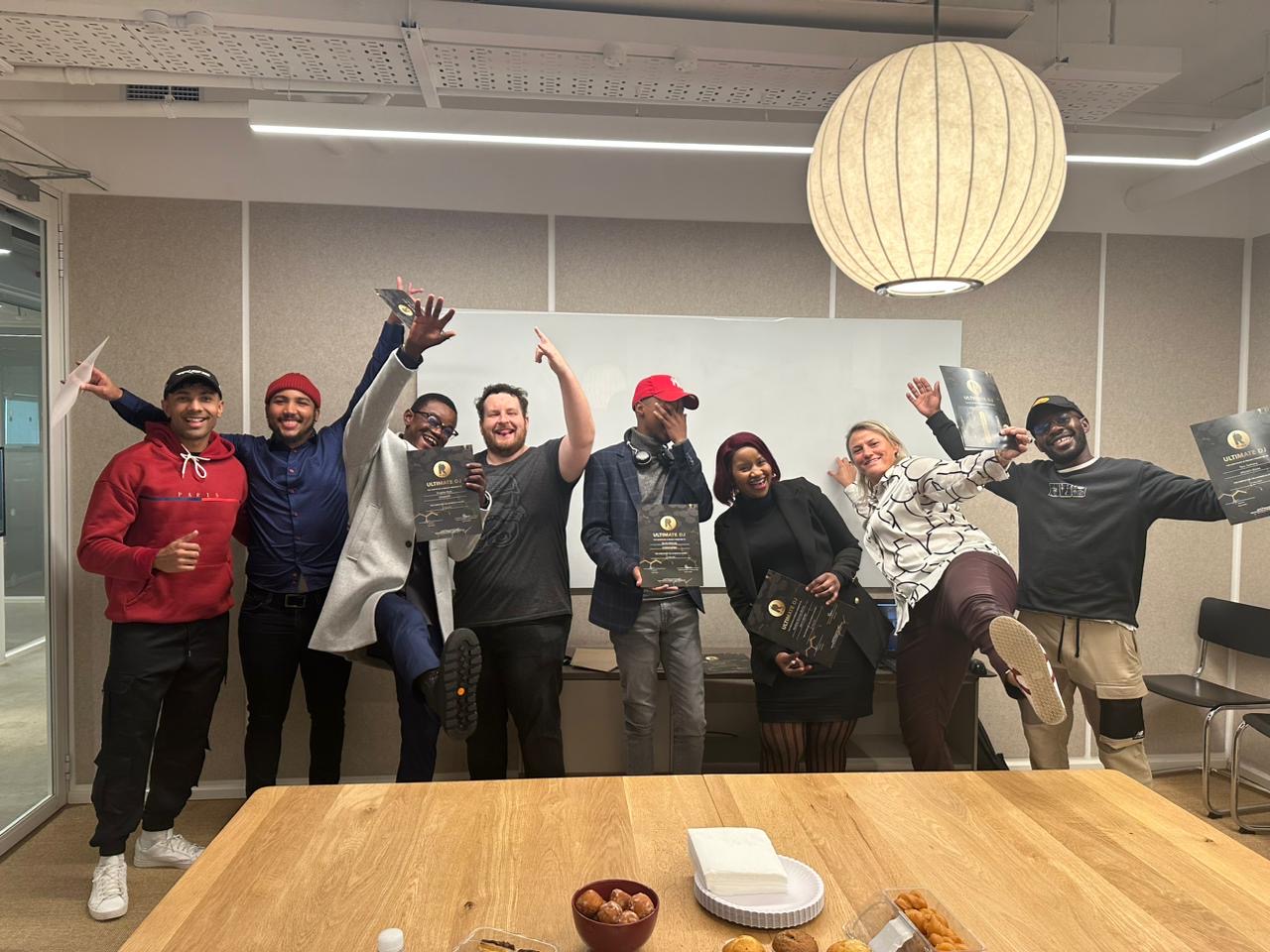
There’s only one way to learn how to be professional. As much theory as we give our students, how to invoice a client, what your email address should be… it doesn’t become real until you put in some real-life experience. For example, our DJ students hand in perfect invoices. This only takes them half-way to where they need to be. We have our students booked for real events by professional agencies. Only when they’re requested to send an invoice for an actual event do they learn how to put together everything they’ve learnt about being professional. When they don’t send through an invoice, a press kit, or a response in time, someone else gets booked in their place. Nothing makes you realise how professional you need to be to stay at the top of the game like having a small mistake cost you a job. There is no substitute for real-world experience. No amount of theory in a classroom will ever cut it. We always encourage our students to embrace every opportunity to get some experience in and we try pass as many opportunities as we can their way.
Timo ODV meets Rise
Rise was lucky enough to have a private QnA with Timo ODV last Saturday. Some of our students went through to spend time with him backstage before one of his events. Many of our students look up to Timo. Listening to how he set up and now runs his career gave them some insight into what they’re trying to achieve with their own careers. Listening to how he works with labels, when he does and doesn’t take creative advice, how he gets through creative blocks, helps us to see how many different paths into the music industry there actually are. Each artist we chat to is different and each one gives us a new spark of inspiration. What never changes is how hard they work. We admire Timo’s creative integrity and respect the amount of work and passion that goes into his music. A huge thank you to Timo and we wish him all the future success we think he deserves.
U-PARTY resident DJs 2016
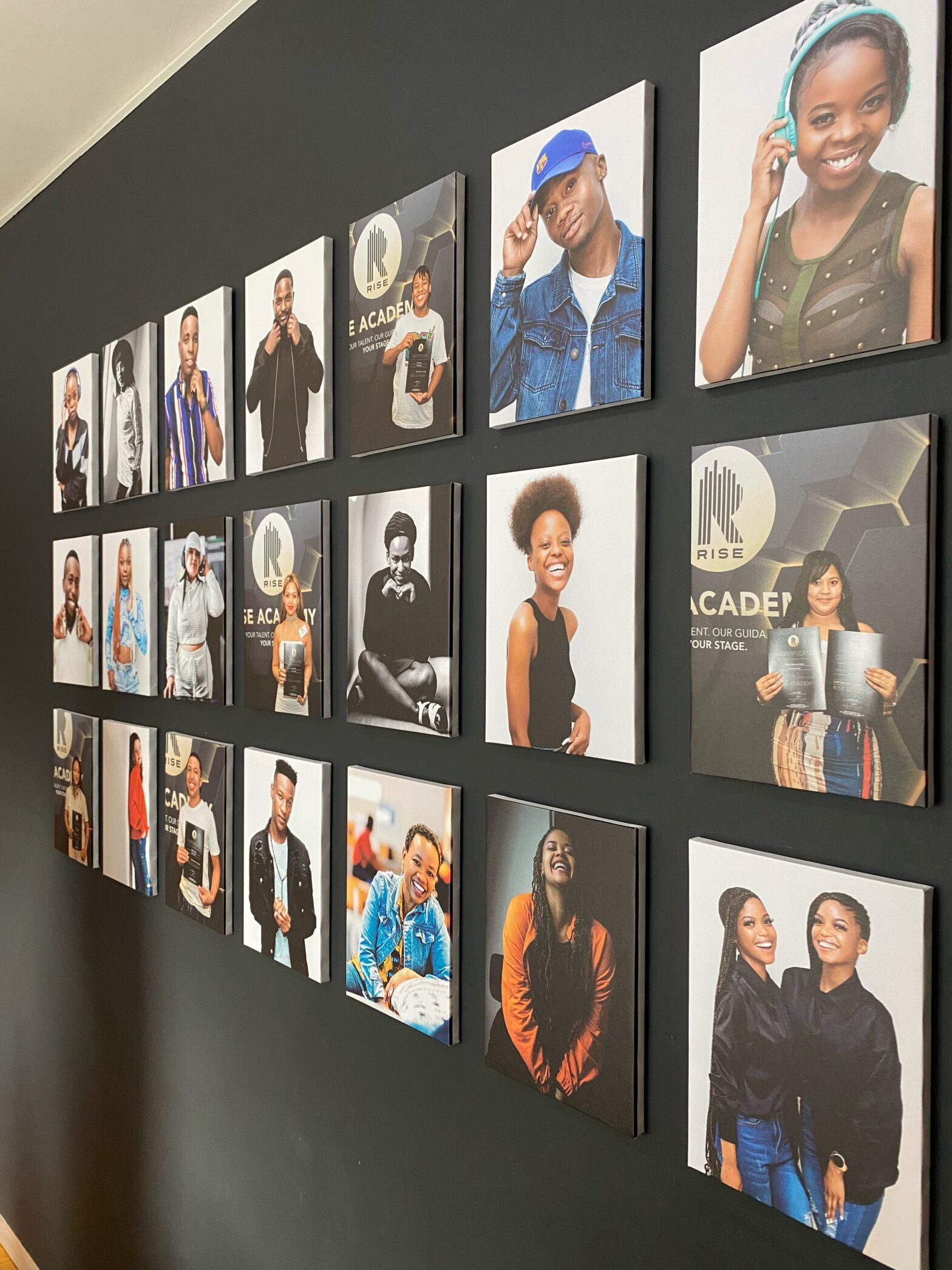
U-PARTY has just chosen the U-PARTY resident DJs for 2016. We’re very happy to congratulate Ray Squared, Tinks, and Theria on being chosen! Now that we’ve sat in on a discussion where an events company chooses the DJs they want to work with, we can tell you what they take into consideration. Here’s what people look for in a DJ:• Age/maturity – is the DJ handling the pressure of being famous and could they handle an increase in this fame and pressure without it interfering with their studies or personal life• Brand – which DJs are starting to find a strong brand and do these brands align with the direction of the event company’s brand• Attitude – which DJs have remained humble both with clients and adults but also amongst their peers. Which DJs are able to make mistakes and learn from them rather than make excuses for their sets. Which DJs were interested in feedback on their sets and take this feedback seriously and improve their sets.• Reliability – which DJs would always be on time and be unlikely to cancel shortly before an event. Which DJs are well prepared and work hard. Do you think an events company would pick you based on the above criteria? <3 Sue
What we’ve learnt about Entrepreneurship – Part 1
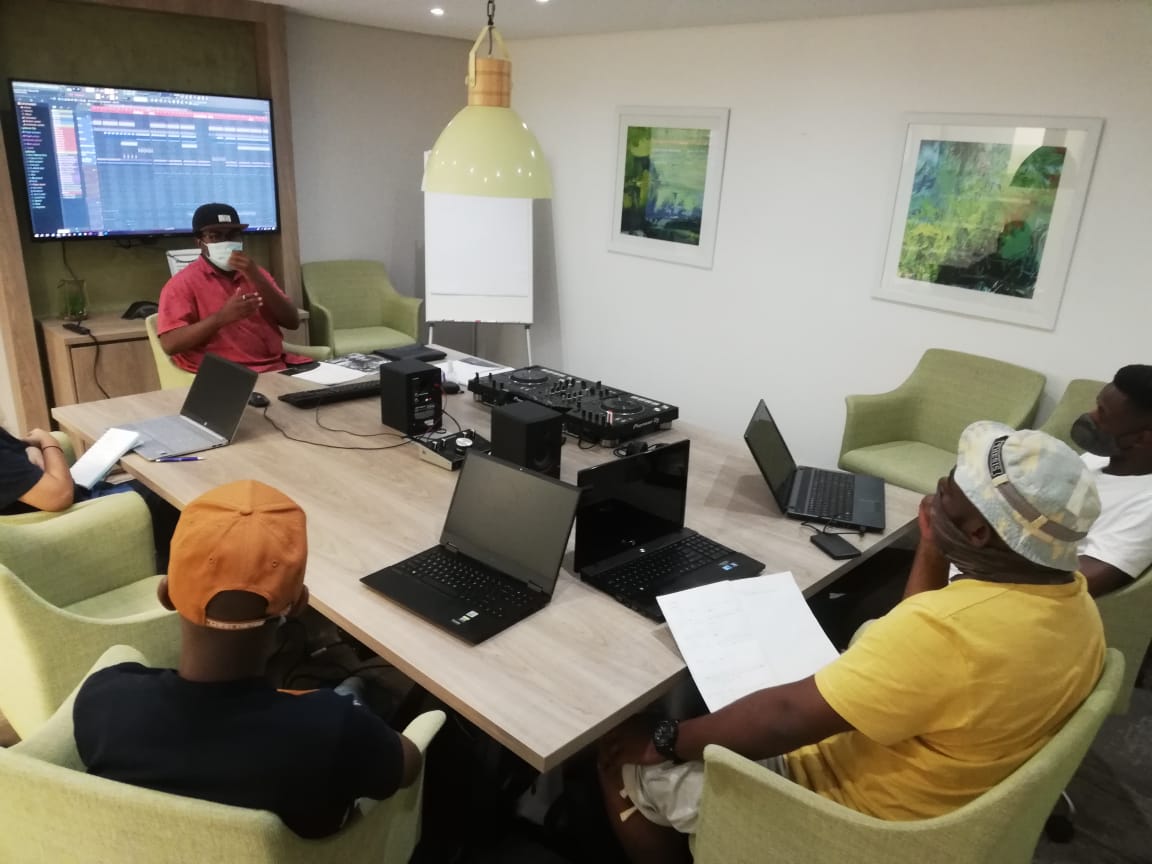
We’ve had over a hundred Gr 9 students set up businesses since the start of the year. A term later, we’ve asked them what this workshop has taught them about entrepreneurship. Being a small business owner and going through all the struggles of getting an idea off the ground has given them some amazing insights. The most common answer was that they learnt that building your own business isn’t easy. Entrepreneurship has been so glamourized by the success of trendy silicon start-ups that there’s now a common misconception that becoming an entrepreneur is easy and requires barely any effort. This illusion was quickly shattered for all our young business owners and they soon realized just how much hard work they had to put in to make things happen. It comes as a shock after a few weeks of thinking and planning, that they end up with nothing to show for any of it. Acting on these ideas and actually being brave enough to start implementing their plans is the only way to get their businesses started. The more effort they put in, the more they began to see results. To get all the way to the goals they’d set for their businesses, they’ve realized just how much effort is really needed. Walking this path for a term really puts things into perspective. A good idea is just that, a good idea. To make a successful business out of it takes some serious hard work and dedication. What a fantastic lesson to learn at 15 years old!
What we’ve learnt about Entrepreneurship – Part 2
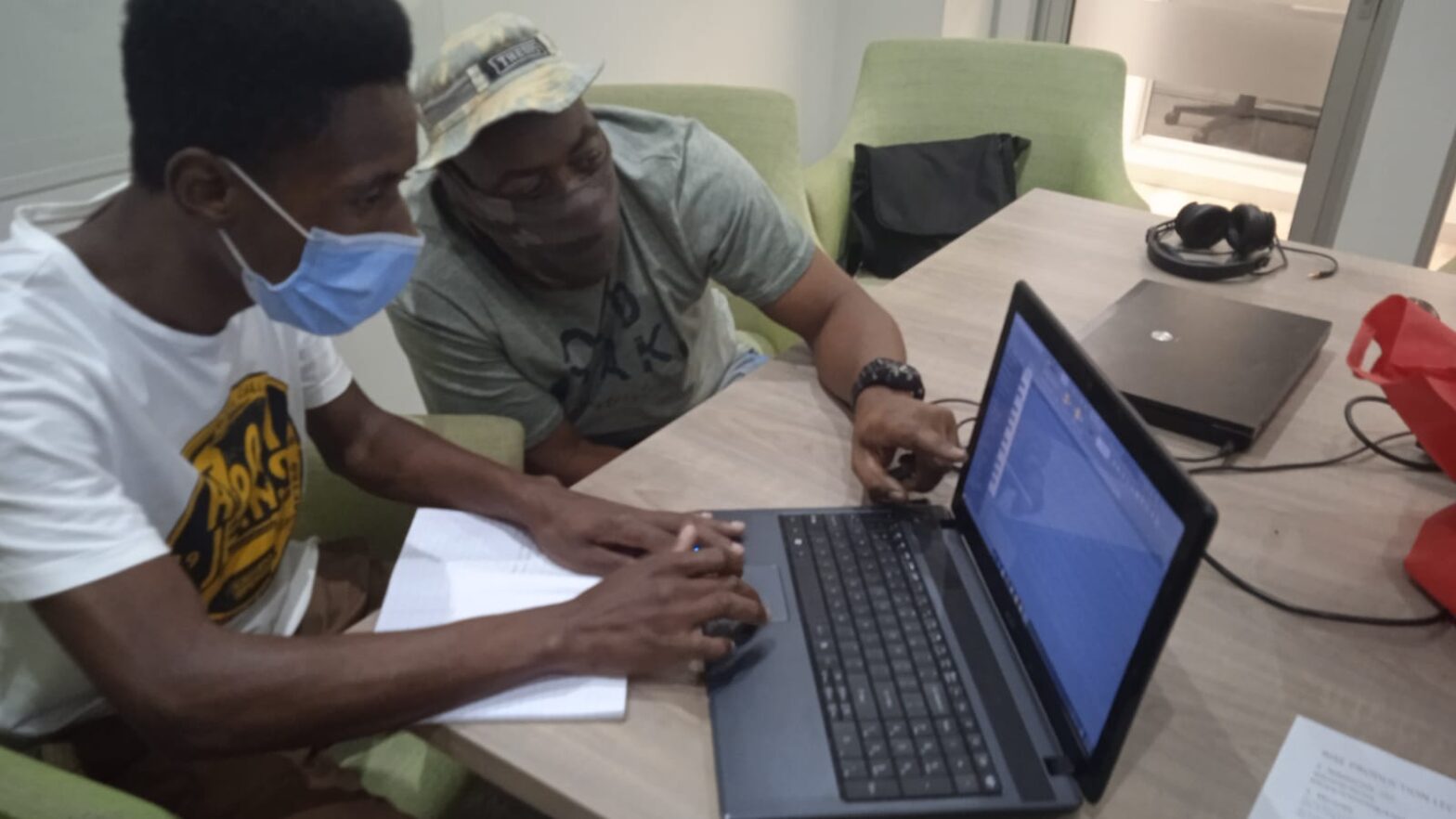
We’ve had over a hundred Gr 9 students set up businesses since the start of the year. A term later, we’ve asked them what this workshop has taught them about entrepreneurship. One answer was that they learnt to have a new perspective on failure. It only took a few weeks for every small business to start facing some setbacks. Something unexpected happens and sometimes things just simply don’t go as planned. Dealing with each setback, and problem solving the way to a new solution or business tactic, takes up most of the time spent on a new business. For example, once a cleverly thought out advert has been placed, our young business owners expect customers to come seek them and their product out. This is rarely how things pan out. When students aren’t getting the customers they expected, they face the choice between giving up or seeing the problem as a business failure that they need to learn from and overcome. Some businesses realise that their product is not appealing enough and choose to change it into a product that far outdoes their initial idea, ending up with a more successful business than they had initially planned for. Others realise that they need to work on their marketing skills and find new, more creative ways to get customers to pay attention to what they are offering. Some of these small businesses realise that people are interacting with their marketing, like their product or service, but are not willing to put in work and effort to actually get the product. These groups invent new ways to bring their product or service closer to their market, making it easy for customers to buy from them. Each time the students engage with these setbacks and failures, their business skills and their business both come out stronger. Learning to face our failures and learn from them, rather than allowing them close doors for us, is an incredible life skill to have. Our young business owners have a brand-new understanding of what it means to fail and how to deal with setbacks in a positive way.
What we’ve learnt about Entrepreneurship – Part 3
We’ve had over a hundred Gr 9 students set up businesses since the start of the year. A term later, we’ve asked them what this workshop has taught them about entrepreneurship. Being a small business owner teaches you that time really is of the essence. If you snooze you lose… A fair number of the small businesses chose to institute an order system for their customers to purchase their products. They all learnt very quickly that if an order is placed (with payment due on delivery) and not delivered fairly promptly, customers lose interest and often change their minds about their order. They miss out on the business from these customers that they had worked so hard to secure. A similar lesson was learnt whenever customers responded to an advert. If the business owners failed jump on the inquiry and be attentive to their prospective customer, they lost out. Being professional, prompt, and having a quick turnaround time are essential to making money off any type of business venture. Having first-hand experience of losing your own customers this way, is a sure way to learn this lesson and never forget it.
Why SA needs more young entrepreneurs
The weightiest of such a policy set has been the National Development Plan (NDP) released in late 2011. The NDP outlines the goals that SA would like to achieve by 2030 and then describes a policy combination that, if correctly followed, will steer the country towards our development goals. What I found most interesting about the NDP was the way it talks about employment and job creation. A central theme is that whilst investing in industries which are employment heavy is an obvious and necessary tactic for the government to pursue, this alone cannot grow our economy to a level of full employment. What it does recommend is a heavy investment into creating the next generation of entrepreneurs. For every successful entrepreneur, a new job has been created rather than an old job filled. With success comes growth and with growth comes new employees. Entrepreneurship is the perfect recipe for small scale job creation. The NDP recommends fostering entrepreneurial spirit and education, investing in entrepreneurial projects and loosening the red-tape that small business owners face. The success of multiple entrepreneurs across SA is a central part of the solution to growing the country’s economy and combating high unemployment and poverty. If you want to do something philanthropic for your country today, start a business, grow it, employ people and transform their lives in a way that only a steady income can. -Sue Green 2 October 2014